
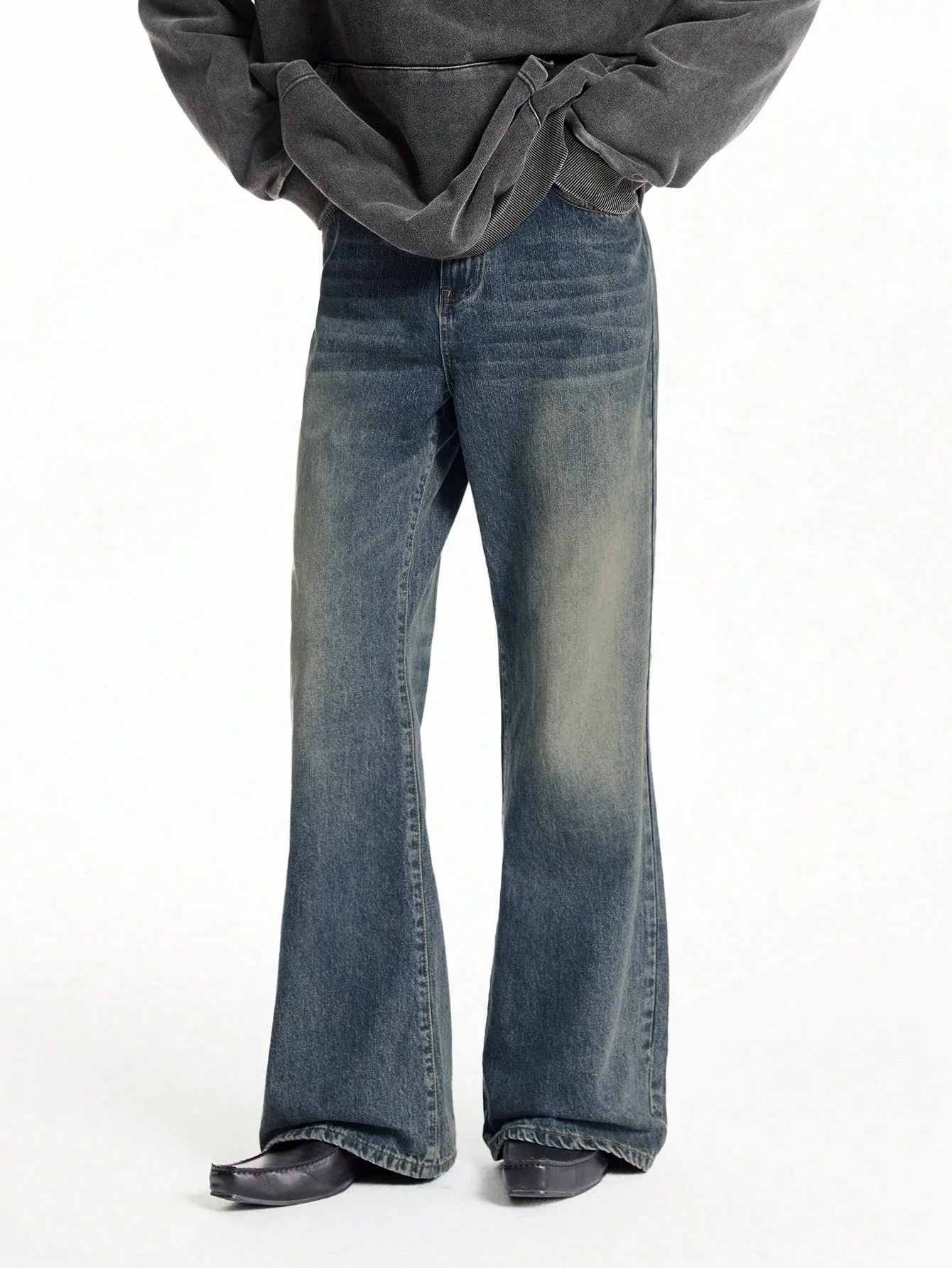
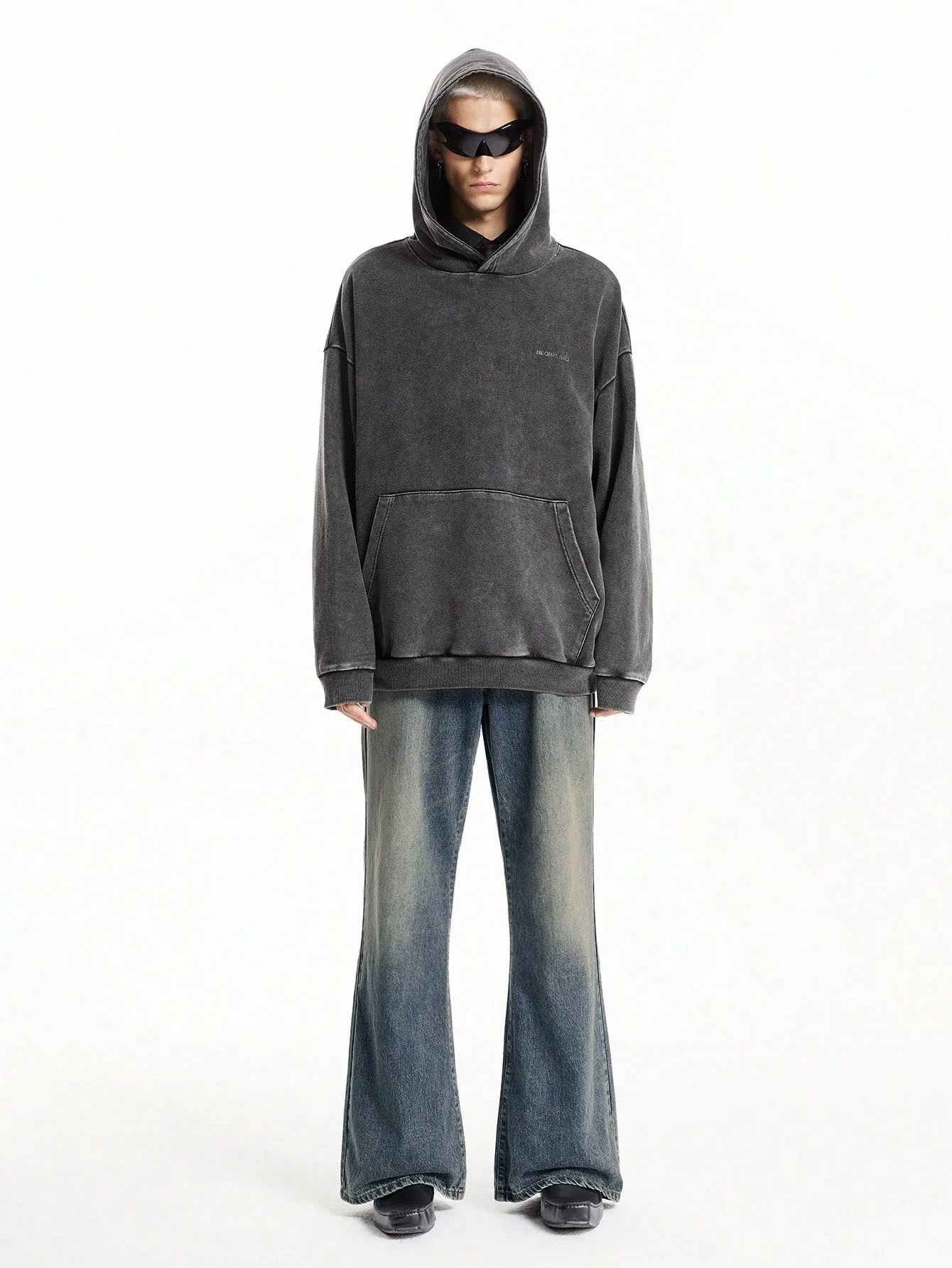
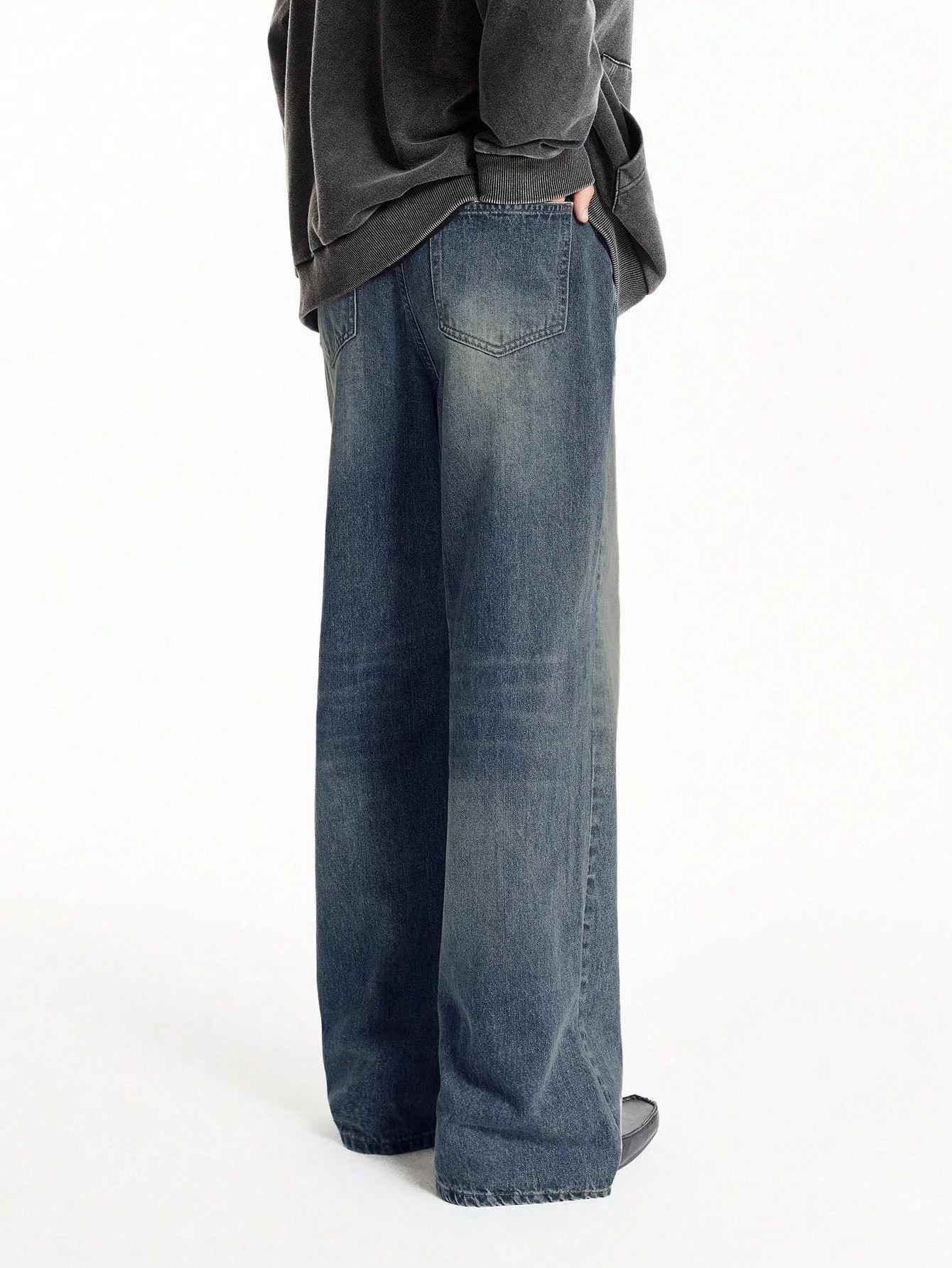
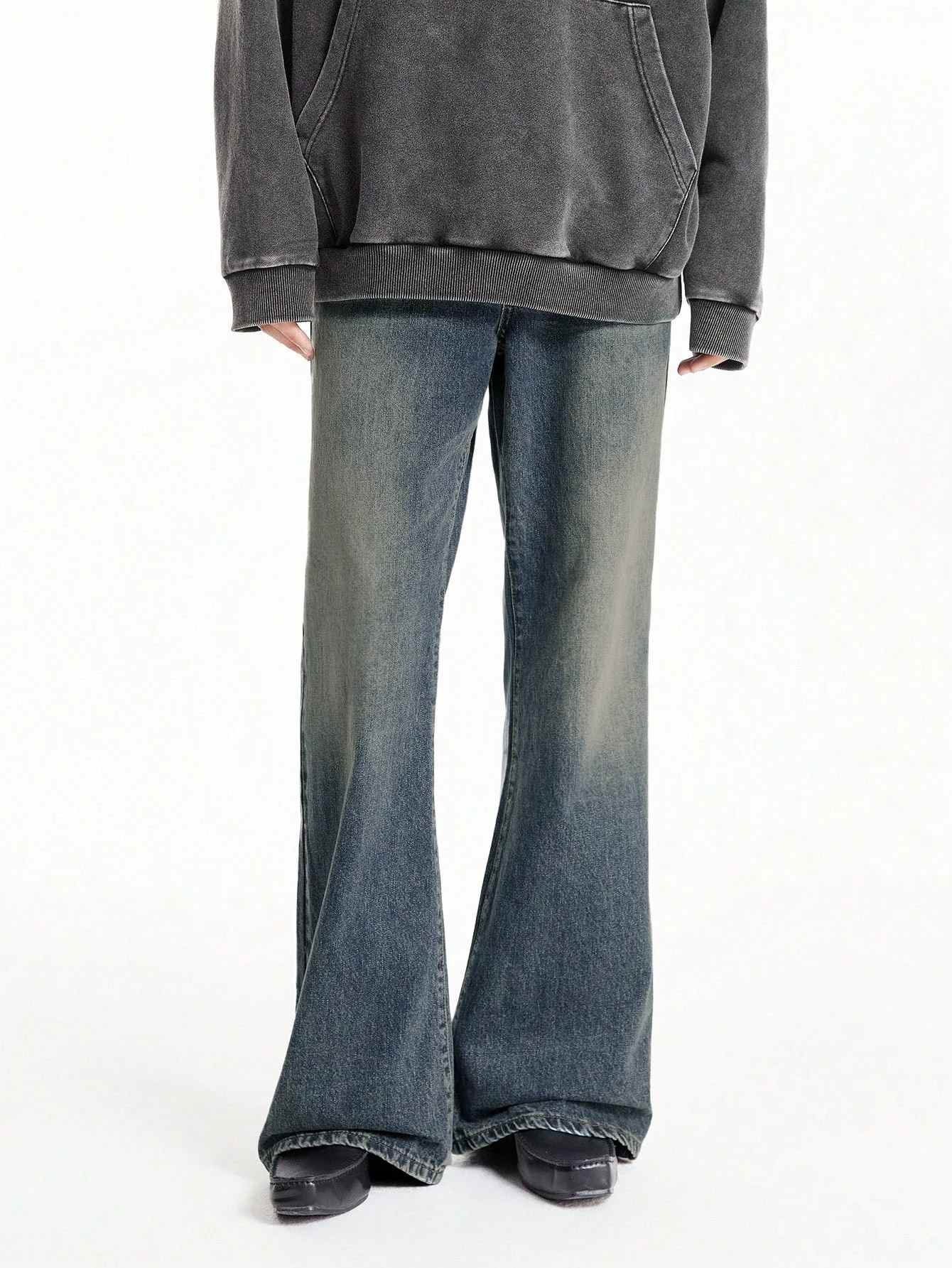
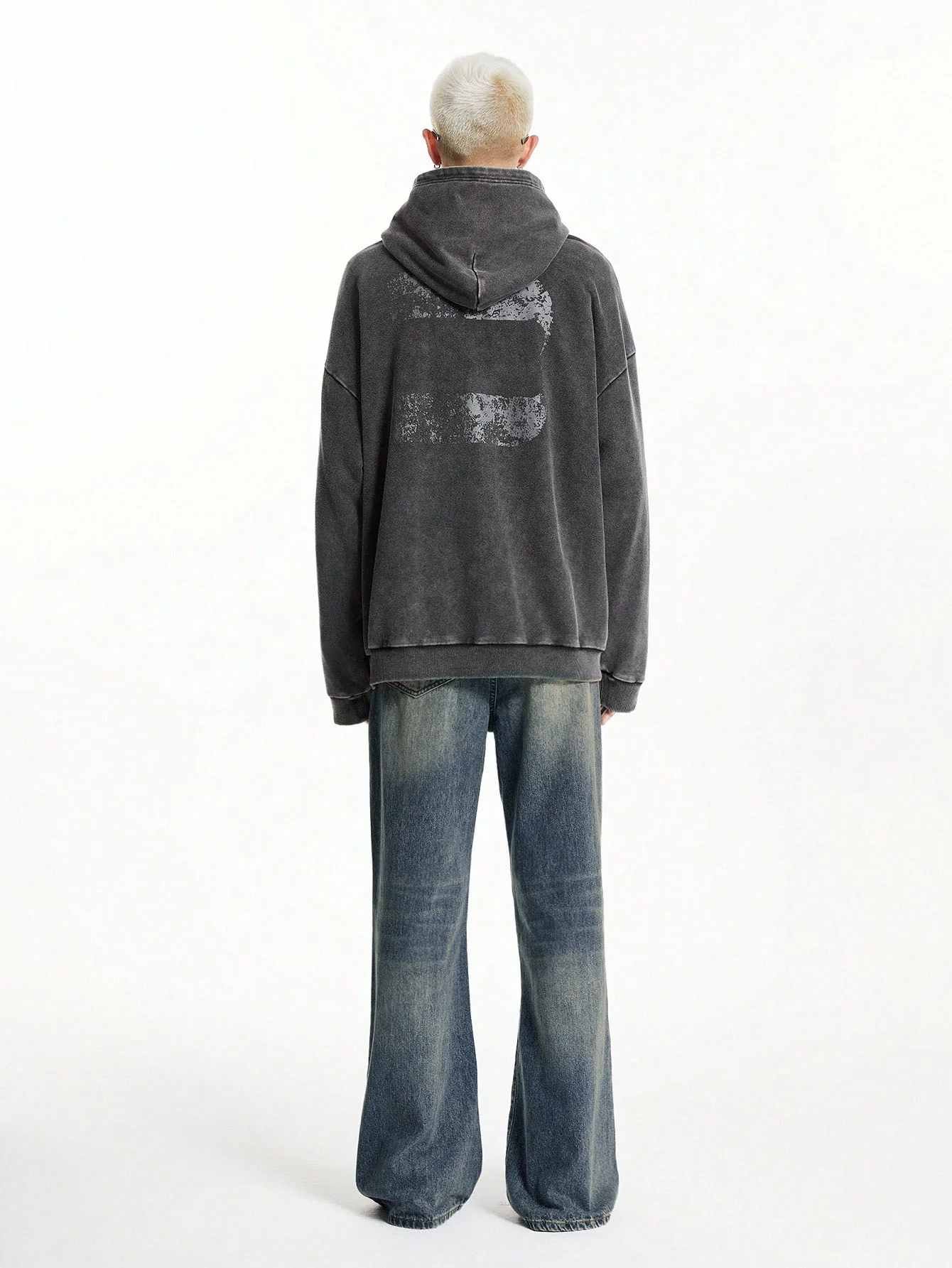
Here are different bootcut jeans descriptions you can use for product listings, social media, or branding:
1. Classic & Timeless
Designed with a flattering mid-rise waist and a subtle flare from the knee down, these bootcut jeans create a balanced, elongated silhouette. The tailored fit through the hips and thighs offers comfort without compromising style—perfect for pairing with boots or heels.
2. Casual Everyday Wear
Our bootcut jeans combine laid-back comfort with effortless style. Fitted through the thigh and gently flared at the hem, they’re made to move with you while adding just the right touch of shape to your everyday look.
3. Premium & Elevated
Crafted from high-quality stretch denim, these bootcut jeans sculpt and smooth in all the right places. The refined flare enhances proportions, while the structured waistband ensures a polished, confident fit from day to night.
4. Vintage-Inspired
Channel timeless ‘70s vibes with these retro-inspired bootcut jeans. Featuring a snug fit through the thigh and a softly flared leg opening, they create a flattering hourglass shape with a nostalgic edge.
5. Modern Minimalist
Sleek, clean lines meet subtle flare in these modern bootcut jeans. Designed to contour the body and lengthen the legs, they’re a versatile staple that transitions seamlessly from casual days to dressed-up evenings.
6. Stretch & Comfort Focused
Made with flexible stretch denim, these bootcut jeans offer all-day comfort without losing their shape. The gentle flare balances proportions and pairs perfectly with boots, sneakers, or wedges.
If you’d like, tell me your target audience (women, men, plus size, juniors, luxury brand, budget brand, etc.) and I can tailor the descriptions to match your brand voice and customer.
Bootcut jeans are a distinctive style of denim characterized by a subtle flare that begins at or just below the knee and extends to a slightly wider leg opening at the ankle. Unlike dramatic flared pants or bell-bottoms, which widen significantly from the knee downward, bootcut jeans maintain a balanced silhouette. The flare is modest—just enough to allow the hem to fall neatly over a pair of boots. This functional origin is reflected in the name itself: “bootcut” literally describes a cut designed to accommodate boots.
Historical Background
Bootcut jeans have roots in practical workwear. Denim itself was popularized in the 19th century as durable clothing for laborers, particularly in the American West. Over time, cowboys and ranch workers preferred jeans that could fit comfortably over riding boots without bunching. This functional need influenced the gradual development of a slightly flared leg opening.
The foundation of modern denim culture can be traced to companies like Levi Strauss & Co., which helped standardize jeans as everyday wear. While early workwear jeans were typically straight-legged, fashion adaptations over the decades introduced new cuts, including bootcut. By the mid-to-late 20th century, bootcut jeans became a popular variation for both men and women.
Rise in Popularity
Bootcut jeans surged in mainstream popularity during the 1990s and early 2000s. They became a wardrobe staple, embraced by celebrities, fashion models, and everyday consumers alike. Public figures such as Britney Spears and Jennifer Lopez were often photographed wearing low-rise bootcut jeans, contributing to the style’s cultural prominence.
Television and film also played a role in reinforcing the trend. Popular shows like Friends featured characters wearing bootcut silhouettes, cementing them as part of everyday casual fashion. During this era, bootcut jeans were considered versatile and flattering, pairing easily with heels, sneakers, or boots.
Design Characteristics
The defining feature of bootcut jeans is their gentle flare. The leg remains fitted through the thigh and knee before widening slightly toward the hem. This creates a balanced proportion that can visually elongate the legs. Because the flare is subtle, bootcut jeans offer a compromise between slim styles and wide-leg designs.
Key design elements include:
- Mid-to-low rise (historically): In the early 2000s, many bootcut jeans were low-rise. Modern versions often feature mid-rise or high-rise waists.
- Contoured fit: They are typically tailored through the hips and thighs.
- Slightly wider hem: The leg opening is usually one to two inches wider than the knee measurement.
- Classic denim construction: Five-pocket styling, belt loops, and sturdy stitching are common features.
The result is a silhouette that complements various footwear options while maintaining structure and comfort.
Fabric and Construction
Bootcut jeans are most commonly made from cotton denim, sometimes blended with elastane or spandex for stretch. Stretch denim enhances comfort and allows the jeans to contour to the body’s shape. Heavier denim creates a more structured look, while lighter denim can offer greater flexibility.
Manufacturers often experiment with washes and finishes. Light washes create a casual, vintage aesthetic, while dark indigo or black bootcut jeans can appear more polished. Distressed versions with fading or frayed hems provide a relaxed, worn-in look.
Styling Versatility
One reason bootcut jeans have endured through changing trends is their adaptability. They can be styled in numerous ways:
- With boots: The original pairing, whether ankle boots, cowboy boots, or heeled boots.
- With heels: The slight flare balances the added height and creates a long, streamlined appearance.
- With sneakers: For casual, everyday wear.
- With blazers or tailored tops: For a semi-polished outfit suitable for casual offices or social events.
Bootcut jeans often complement fitted tops, tucked blouses, or cropped jackets, creating proportion between the fitted upper body and slightly flared lower half.
Gender and Cultural Appeal
Bootcut jeans are worn by people of all genders. For men, bootcut styles often maintain a straighter silhouette with minimal flare, providing space for work boots or casual footwear. For women, the flare may be more pronounced, enhancing the hourglass effect.
In certain subcultures—such as Western fashion communities—bootcut jeans remain especially popular due to their compatibility with cowboy boots. In urban fashion cycles, they may fluctuate in popularity depending on broader trends.
Comparison with Other Cuts
To understand bootcut jeans fully, it helps to compare them with other common cuts:
- Skinny jeans: Taper tightly from hip to ankle, offering no flare.
- Straight-leg jeans: Maintain consistent width from knee to hem.
- Flared or bell-bottom jeans: Feature a dramatic widening below the knee.
- Wide-leg jeans: Are loose throughout the entire leg.
Bootcut jeans occupy a middle ground. They offer more shape than straight-leg jeans but are less dramatic than flares. This balance contributes to their broad appeal.
Evolution Over Time
Although bootcut jeans were once considered outdated during the peak of skinny-jean popularity, fashion cycles are known to repeat. Designers periodically reintroduce bootcut silhouettes, often updating them with higher rises, raw hems, or sustainable fabrics.
Major fashion houses and retailers have revisited early-2000s aesthetics, sparking renewed interest in bootcut styles. Social media platforms like TikTok have amplified these revivals, as influencers showcase retro-inspired outfits that include bootcut jeans.
Flattering Silhouette
One of the most frequently cited advantages of bootcut jeans is their universally flattering shape. The slight flare can balance wider hips, create the illusion of longer legs, and provide visual harmony. For this reason, many stylists recommend bootcut jeans as a reliable wardrobe staple.
The moderate flare also prevents the hem from dragging excessively, which can happen with wide-leg styles. When properly hemmed, bootcut jeans fall neatly over footwear, creating a clean line.
Contemporary Relevance
Today, bootcut jeans exist alongside numerous other denim styles. Rather than dominating fashion as they once did, they are part of a diverse landscape of options. Consumers now choose cuts based on comfort, personal taste, and aesthetic preference rather than strict trend rules.
Sustainability movements in fashion have also encouraged people to keep and wear clothing longer. As a result, many individuals continue wearing bootcut jeans from earlier decades, embracing longevity over constant trend turnover.
Conclusion
Bootcut jeans are defined by their subtle flare, practical origins, and adaptable style. Emerging from workwear traditions and rising to mainstream prominence in the late 20th century, they have experienced cycles of popularity and decline. Their enduring appeal lies in their balanced silhouette—neither too tight nor too wide—and their compatibility with various footwear and outfit combinations.
While trends shift and preferences evolve, bootcut jeans remain a recognizable and versatile element of denim fashion. Their design reflects a blend of function and form, offering both practicality and style in a single garment.
Bootcut jeans are a distinctive style of denim characterized by a subtle flare that begins at or just below the knee and extends to a slightly wider leg opening at the ankle. Unlike dramatic flared pants or bell-bottoms, which widen significantly from the knee downward, bootcut jeans maintain a balanced silhouette. The flare is modest—just enough to allow the hem to fall neatly over a pair of boots. This functional origin is reflected in the name itself: “bootcut” literally describes a cut designed to accommodate boots.
Historical Background
Bootcut jeans have roots in practical workwear. Denim itself was popularized in the 19th century as durable clothing for laborers, particularly in the American West. Over time, cowboys and ranch workers preferred jeans that could fit comfortably over riding boots without bunching. This functional need influenced the gradual development of a slightly flared leg opening.
The foundation of modern denim culture can be traced to companies like Levi Strauss & Co., which helped standardize jeans as everyday wear. While early workwear jeans were typically straight-legged, fashion adaptations over the decades introduced new cuts, including bootcut. By the mid-to-late 20th century, bootcut jeans became a popular variation for both men and women.
Rise in Popularity
Bootcut jeans surged in mainstream popularity during the 1990s and early 2000s. They became a wardrobe staple, embraced by celebrities, fashion models, and everyday consumers alike. Public figures such as Britney Spears and Jennifer Lopez were often photographed wearing low-rise bootcut jeans, contributing to the style’s cultural prominence.
Television and film also played a role in reinforcing the trend. Popular shows like Friends featured characters wearing bootcut silhouettes, cementing them as part of everyday casual fashion. During this era, bootcut jeans were considered versatile and flattering, pairing easily with heels, sneakers, or boots.
Design Characteristics
The defining feature of bootcut jeans is their gentle flare. The leg remains fitted through the thigh and knee before widening slightly toward the hem. This creates a balanced proportion that can visually elongate the legs. Because the flare is subtle, bootcut jeans offer a compromise between slim styles and wide-leg designs.
Key design elements include:
- Mid-to-low rise (historically): In the early 2000s, many bootcut jeans were low-rise. Modern versions often feature mid-rise or high-rise waists.
- Contoured fit: They are typically tailored through the hips and thighs.
- Slightly wider hem: The leg opening is usually one to two inches wider than the knee measurement.
- Classic denim construction: Five-pocket styling, belt loops, and sturdy stitching are common features.
The result is a silhouette that complements various footwear options while maintaining structure and comfort.
Fabric and Construction
Bootcut jeans are most commonly made from cotton denim, sometimes blended with elastane or spandex for stretch. Stretch denim enhances comfort and allows the jeans to contour to the body’s shape. Heavier denim creates a more structured look, while lighter denim can offer greater flexibility.
Manufacturers often experiment with washes and finishes. Light washes create a casual, vintage aesthetic, while dark indigo or black bootcut jeans can appear more polished. Distressed versions with fading or frayed hems provide a relaxed, worn-in look.
Styling Versatility
One reason bootcut jeans have endured through changing trends is their adaptability. They can be styled in numerous ways:
- With boots: The original pairing, whether ankle boots, cowboy boots, or heeled boots.
- With heels: The slight flare balances the added height and creates a long, streamlined appearance.
- With sneakers: For casual, everyday wear.
- With blazers or tailored tops: For a semi-polished outfit suitable for casual offices or social events.
Bootcut jeans often complement fitted tops, tucked blouses, or cropped jackets, creating proportion between the fitted upper body and slightly flared lower half.
Gender and Cultural Appeal
Bootcut jeans are worn by people of all genders. For men, bootcut styles often maintain a straighter silhouette with minimal flare, providing space for work boots or casual footwear. For women, the flare may be more pronounced, enhancing the hourglass effect.
In certain subcultures—such as Western fashion communities—bootcut jeans remain especially popular due to their compatibility with cowboy boots. In urban fashion cycles, they may fluctuate in popularity depending on broader trends.
Comparison with Other Cuts
To understand bootcut jeans fully, it helps to compare them with other common cuts:
- Skinny jeans: Taper tightly from hip to ankle, offering no flare.
- Straight-leg jeans: Maintain consistent width from knee to hem.
- Flared or bell-bottom jeans: Feature a dramatic widening below the knee.
- Wide-leg jeans: Are loose throughout the entire leg.
Bootcut jeans occupy a middle ground. They offer more shape than straight-leg jeans but are less dramatic than flares. This balance contributes to their broad appeal.
Evolution Over Time
Although bootcut jeans were once considered outdated during the peak of skinny-jean popularity, fashion cycles are known to repeat. Designers periodically reintroduce bootcut silhouettes, often updating them with higher rises, raw hems, or sustainable fabrics.
Major fashion houses and retailers have revisited early-2000s aesthetics, sparking renewed interest in bootcut styles. Social media platforms like TikTok have amplified these revivals, as influencers showcase retro-inspired outfits that include bootcut jeans.
Flattering Silhouette
One of the most frequently cited advantages of bootcut jeans is their universally flattering shape. The slight flare can balance wider hips, create the illusion of longer legs, and provide visual harmony. For this reason, many stylists recommend bootcut jeans as a reliable wardrobe staple.
The moderate flare also prevents the hem from dragging excessively, which can happen with wide-leg styles. When properly hemmed, bootcut jeans fall neatly over footwear, creating a clean line.
Contemporary Relevance
Today, bootcut jeans exist alongside numerous other denim styles. Rather than dominating fashion as they once did, they are part of a diverse landscape of options. Consumers now choose cuts based on comfort, personal taste, and aesthetic preference rather than strict trend rules.
Sustainability movements in fashion have also encouraged people to keep and wear clothing longer. As a result, many individuals continue wearing bootcut jeans from earlier decades, embracing longevity over constant trend turnover.
Fit, Body Types, and Tailoring
Another important aspect of bootcut jeans is how they interact with different body shapes. Because they are fitted through the thigh and gently widen at the hem, they can create a sense of proportional balance. For individuals with curvier hips, the slight flare offsets the hip line and prevents the lower half from appearing top-heavy. For taller individuals, bootcut jeans enhance natural length, while for shorter individuals, pairing them with heeled boots can create the illusion of added height.
Tailoring plays a crucial role in maximizing their visual impact. The hem should typically graze the top of the shoe without pooling excessively on the ground. If the jeans are too long, they can appear sloppy; if too short, the intended silhouette is disrupted. Many people choose to hem bootcut jeans specifically for the height of their preferred footwear.
Rise also significantly affects fit. High-rise bootcut jeans can define the waist and create a vintage-inspired profile, while mid-rise options offer everyday comfort. The earlier low-rise trend has largely evolved into more balanced proportions that emphasize both structure and wearability.
Global Influence and Market Presence
Bootcut jeans are not limited to one geographic region. While their imagery is often associated with American Western wear, they are sold and worn worldwide. International fashion brands regularly reinterpret the cut to align with regional tastes. In Europe, bootcut jeans may be styled in minimalist ways with tailored coats and sleek boots. In parts of Asia, they may be incorporated into contemporary streetwear aesthetics.
Retailers continue to include bootcut options in their denim collections because they serve a broad demographic. Unlike highly trend-driven silhouettes, bootcut jeans tend to attract consumers seeking a classic and reliable shape. This steady demand has kept them present in the market even during periods when they were not at the forefront of fashion.
Symbolism and Cultural Memory
Bootcut jeans also carry cultural symbolism. For many people, they evoke memories of late-1990s and early-2000s pop culture, music videos, and red-carpet events. They are often associated with an era of casual glamour and youthful experimentation in fashion.
At the same time, they retain their practical associations with ranch life and country style. This blend of rural functionality and mainstream appeal makes bootcut jeans unique among denim cuts. Few other silhouettes bridge workwear heritage and pop celebrity culture as seamlessly.
Enduring Appeal
Ultimately, the continued relevance of bootcut jeans lies in their balance. They are neither extreme nor restrictive. They provide room for movement while maintaining a tailored appearance. Their gentle flare offers visual interest without overwhelming the outfit.
As fashion continues to cycle and diversify, bootcut jeans remain a testament to the idea that practical design can evolve into lasting style. Whether worn for function, nostalgia, or contemporary flair, they hold a stable place in the broader history of denim.
For more product click here
For more product click here
Reviews
There are no reviews yet.